


Evaluating Alternative Fuels and Technologies
Raising awareness of the health, economic, and environmental impacts of alternative fuels, like hydrogen and renewable natural gas, and carbon capture and storage.
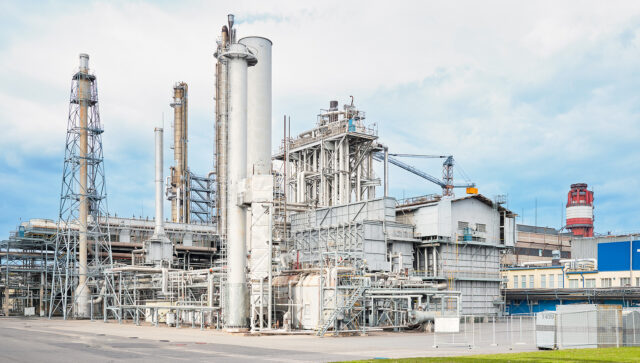
Projections of significantly increasing energy demand in the coming years, coupled with support for fossil fuels at the federal level, have spurred a renewed push to embrace problematic solutions for power generation such as hydrogen, renewable natural gas (RNG), and carbon capture and storage (CCS). States, utilities, and regulatory bodies are increasingly proposing that these types of fuels and technologies are the only way to maintain grid reliability while lowering emissions as demand rises, despite their potential impact on the climate, energy affordability, and the health of nearby communities.
Depending on how they’re produced, alternative fuels such as hydrogen can have a sizeable carbon footprint and produce higher rates of air pollution than traditional fossil fuels when combusted. CCS is rarely effective at meaningfully capturing carbon emissions from power generation and can increase air pollution by up to 60 percent. Most of these fuels and technologies are also significantly more expensive than fossil fuels and renewables, costs which would be borne by ratepayers.
Clean Energy Group maintains a repository of research and tools to critically evaluate proposals to use these alternative fuels and technologies to ensure that their use does not contribute to additional environmental, economic, or health burdens. These resources are intended to equip local advocates, regulators, and policymakers with evidence-based information to understand the impact of these energy technologies. While some alternative fuels, such as zero-carbon “green” hydrogen, may have a role in decarbonizing challenging sectors, such as high-heat industrial processes, renewable generation and electrification represent cleaner, more efficient and cost-effective strategies to eliminate emissions across the power system, from generating electricity, to heating homes and businesses, to powering vehicles.

Who We Serve
When fossil fuel infrastructure’s extended use is justified through the use of alternative fuels or CCS, it impacts already overburdened low-income communities and communities of color the most. Clean Energy Group works in collaboration with environmental justice advocates and community-based organizations to equip communities with the information they need to push back against damaging proposals. In addition to support for frontline opposition efforts, Clean Energy Group provides unbiased information to policymakers and regulators to help them understand what role, if any, power generation using alternative fuels such as hydrogen, ammonia, or RNG or technologies like CCS should play in the power system.
Project Impact

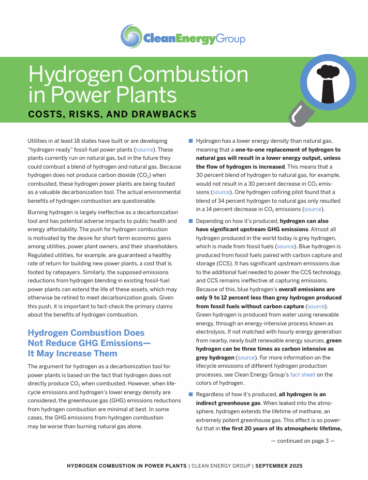
Produced fact sheets, reports, blogs, and webinars on the production, transportation, and use of alternative fuels and technologies.

Engaged advocates and legislators across more than a dozen states to counter misinformation about hydrogen, ammonia, and other alternative fuels, and raise awareness of the emissions, environmental, and safety hazards of their production, transportation, and combustion.

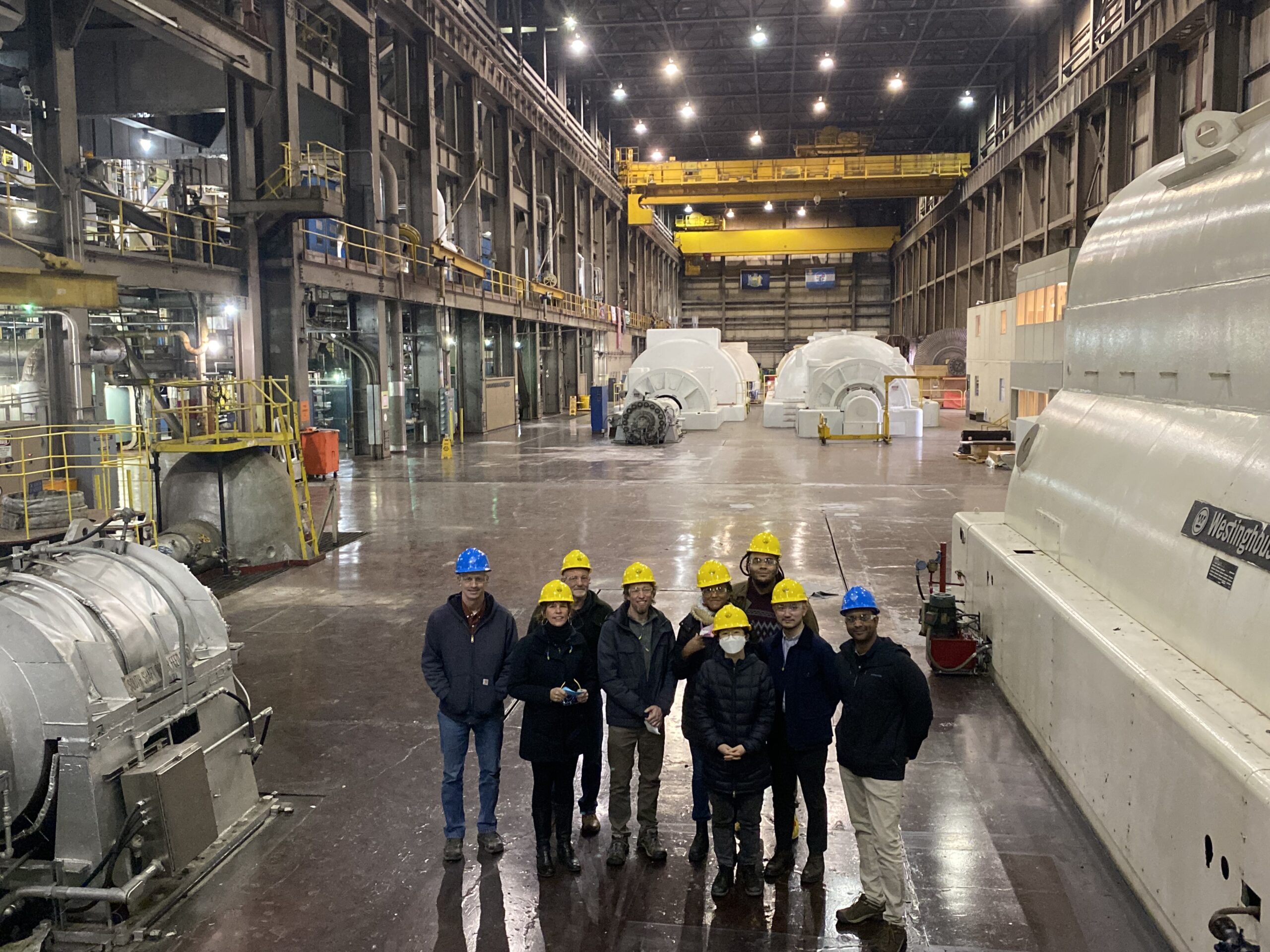
Collaborated with Earthjustice, New York Lawyers for the Public Interest, New York City Environmental Justice Alliance, THE POINT CDC, UPROSE, Chhaya CDC, and Sierra Club to oppose the use of hydrogen in the repowering a large gas power plant in New York City, resulting in the rejection of an air permit for the facility and, ultimately, the abandonment of the gas plant.

Provided commentary on the dangers of false solutions to local and national news outlets, including the San Francisco Examiner, Utility Dive, E&E News, Morning Consult, and the Electrify This! podcast.
Project Partners