


August 4, 2026
“Bring Your Own Power” Can’t Fix Data Centers’ Emissions Problem
By Abbe Ramanan
Regulators are contending with the fallout from explosive data center growth, including issues such as skyrocketing ratepayer costs and crumbling grid reliability. The bring-your-own-power (BYOP) model, in which data centers are incentivized to build or procure their own generation rather than connect to the grid, is a potential solution. But without appropriate emissions guardrails in place, BYOP could worsen local air quality and jeopardize state climate goals.
BYOP has found recent support at the state and federal level. In March, the Trump Administration issued a voluntary “Ratepayer Protection Pledge” in which developers could vow to bring their own power to reduce costs for ratepayers. More recently, following an advanced notice of rulemaking issued by the Secretary of Energy, the Federal Energy Regulatory Commission (FERC) issued six “show-cause” orders to each of the regional grid operators under its jurisdiction to prove that they can interconnect data center loads or enable them to co-locate with new or existing generation without placing an undue burden on ratepayers. The FERC orders are coming as many states, including ones that had previously welcomed data center development, such as Pennsylvania and Texas, are also pursuing measures to incentivize BYOP for data centers to reduce pressure on regional grids and protect ratepayers from additional costs.
BYOP has several enticing features. Energy demand from data centers is growing exponentially. Recent estimates suggest it could account for nearly 12 percent of all US electricity usage by 2030, with some projections suggesting that figure could reach as high as 15 percent. Ratepayers’ wallets are already feeling the pain of paying for new generation and transmission upgrades to meet this unprecedented demand. BYOP could mitigate some of this, although there are concerns that it could instead increase competition for natural gas, thereby raising costs.
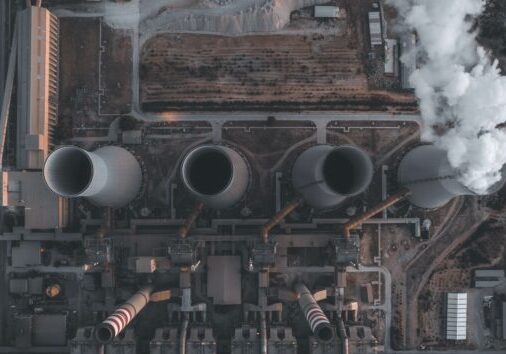
Gas will be powering most of the proposed behind-the-meter generation already underway for data centers. A recent report by the environmental watchdog group Environmental Integrity Project identified at least 74 new fossil fuel-fired power plants planned across the country to directly power data centers. These plants will release nearly 662 million tons per year of greenhouse gas emissions, equivalent to the emissions of the entire nation of Australia. In addition to GHGs, the plants will release nearly 160 thousand tons of air pollutants, including 44 thousand tons of nitrogen oxides. These pollutants are known to cause disparate health outcomes in the communities living near the plants. One study of a data center with behind-the-meter gas turbines in Virginia found that emissions from the site would lead to up to 33 premature deaths over the next five years, and up to $99 million per year in increased health costs.
These behind-the-meter plants are in addition to the numerous fossil fuel plants being built across the country to indirectly fuel data centers, which are also driving up emissions. Emissions from the US power sector are expected to increase 30 percent by 2030 because of electricity demand from data centers. The diesel generators many data centers use for backup power also contribute to local air and noise pollution, and are exempt from Clean Air Act standards during special circumstances like the recent heatwaves experienced by much of the country.
The health and pollution burden caused by all these emissions will not be borne equally. Low-income communities and communities of color already face a disproportionate impact from fossil fuel infrastructure such as peaker power plants. One study of data centers in California – the third largest state for data center development – found that data centers were overwhelmingly sited in communities already experiencing high levels of air, soil, and water pollution. Many are also majority Black or Latino.
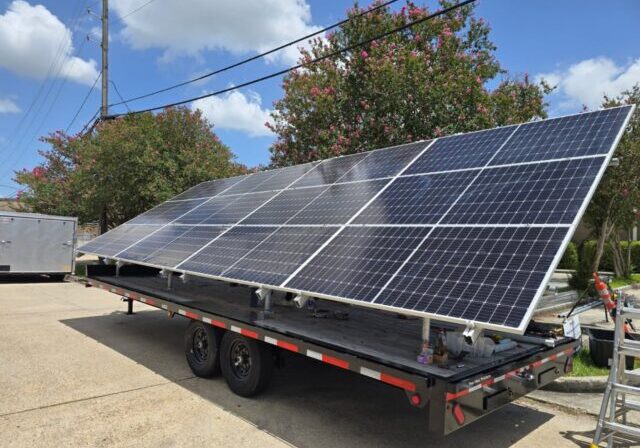
While some states’ BYOP proposals have included nods to clean energy, such as incentivizing “solar-ready” roofs for data center buildings, few have set clear emissions limits. In the absence of such guardrails, data centers have been pursuing an “all of the above” approach, turning to clean power sources, such as solar and battery storage, and less clean ones, such as carbon capture, utilization and storage (CCUS). Nearly a third of data center developers pursuing onsite power are planning to use CCUS as part of their planned onsite generation by 2030, a particularly alarming development, since CCUS is notoriously ineffective at capturing climate-warming emissions, and can increase local air pollutants by as much as 60 percent.
BYOP could be an effective tool for reducing strain on regional grids and insulating ratepayers from the skyrocketing costs of data center development. But without clear emissions limits, it’s only a partial solution – one that could lead to greater harm for the most vulnerable communities.