




Report
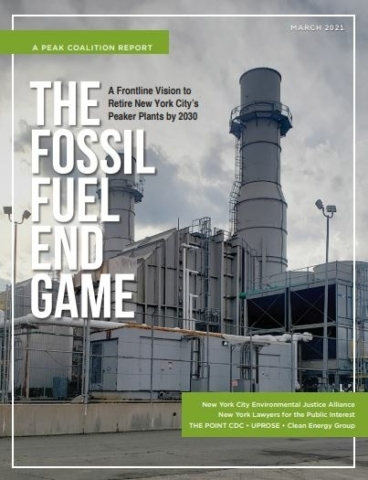
This report lays out a detailed strategic and policy road map to retire and replace New York City’s fossil-fuel peaker plants.
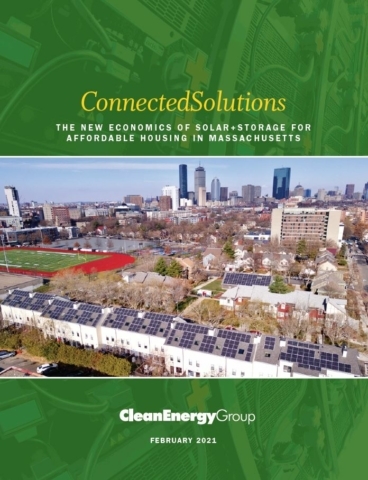
An analysis of multifamily affordable housing properties in Massachusetts finds that participation in the state’s new battery storage incentive program, called ConnectedSolutions, significantly improves the financial viability of solar+storage at affordable housing developments.
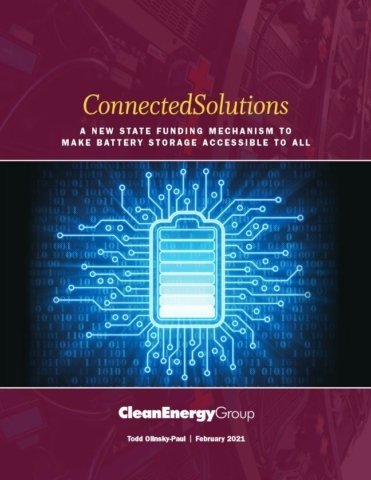
This report aims to inform state policymakers about the structure and benefits of the ConnectedSolution battery storage program model. It summarizes barriers to scaling up distributed battery storage, explains how the ConnectedSolutions program was developed in the Northeast, and discusses why the program has been successful.
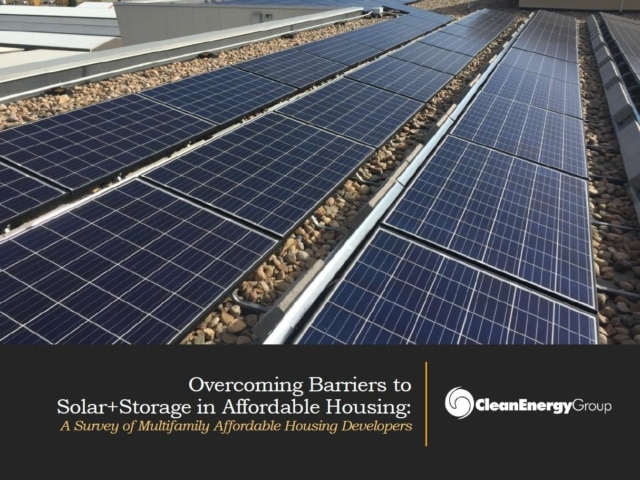
Clean Energy Group conducted a survey of affordable housing owners and developers, technical services providers, and other stakeholders to assess existing market barriers. A new report summarizes the results of this survey and suggests actions to bring the benefits of solar+storage to the people who need it most.
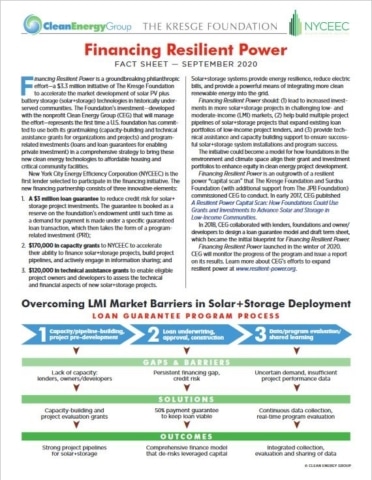
Financing Resilient Power is a new, groundbreaking philanthropic effort—a $3.3 million initiative of The Kresge Foundation to accelerate the market development of solar+storage technologies in vulnerable and disadvantaged communities.
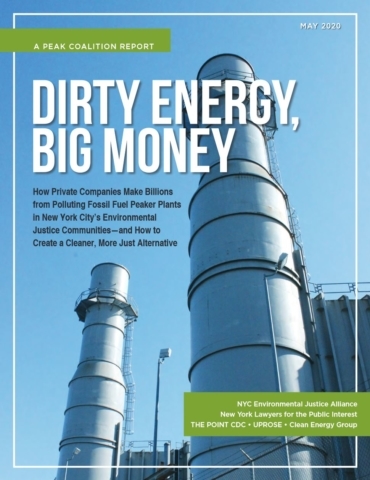
New York City’s peaker power plants have a disproportionate impact on the city’s most vulnerable people. Replacing peaker plants with a system of localized renewable energy generation and battery storage can reduce greenhouse gas emissions, reduce energy bills, improve public health and equity, and make the system more resilient in the face of increased storms and climate impacts.
This Best Practice Guide covers eight key aspect areas of an energy storage project proposal. This Guide documents the industry expertise of leading firms, covering the different project components to help reduce the internal cost of project development and financing for both project developers and investors.
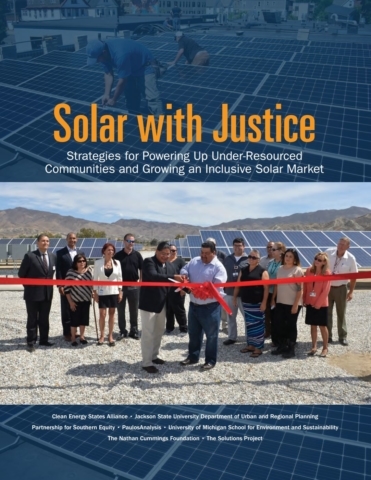
This report aims to accelerate the implementation of solar in under-resourced communities in ways that provide meaningful, long-lasting benefits to those communities.
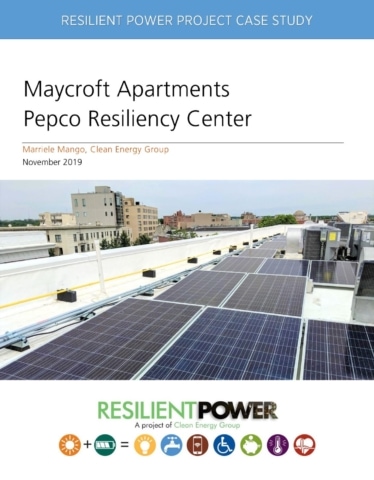
This project demonstrates how solar paired with battery storage can reliably power critical services for affordable housing residents in the event of an outage, while also delivering economic benefits to low-income households.
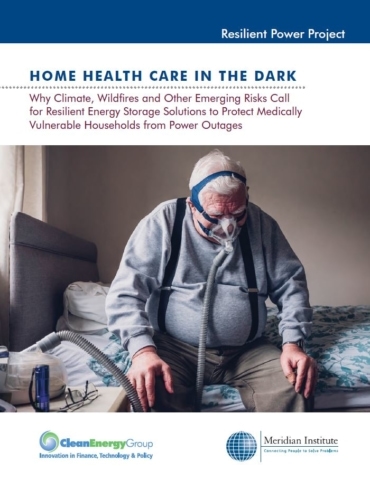
This report examines the risks associated with power outages for individuals reliant on electricity for in-home medical and mobility equipment. Current energy security technologies and policies will need to adjust to meet the needs of the home health care community.