


Advancing
Equitable
Climate
Solutions
Clean Energy Group
What We Do
Foster collaboration across a broad community of diverse organizations
Develop and disseminate accessible information and resources to advance innovative energy solutions
Provide trusted expertise and analysis supporting community-led clean energy development
Inform inclusive clean energy programs, policies, and regulations






Who We Serve
Community-Based Organizations
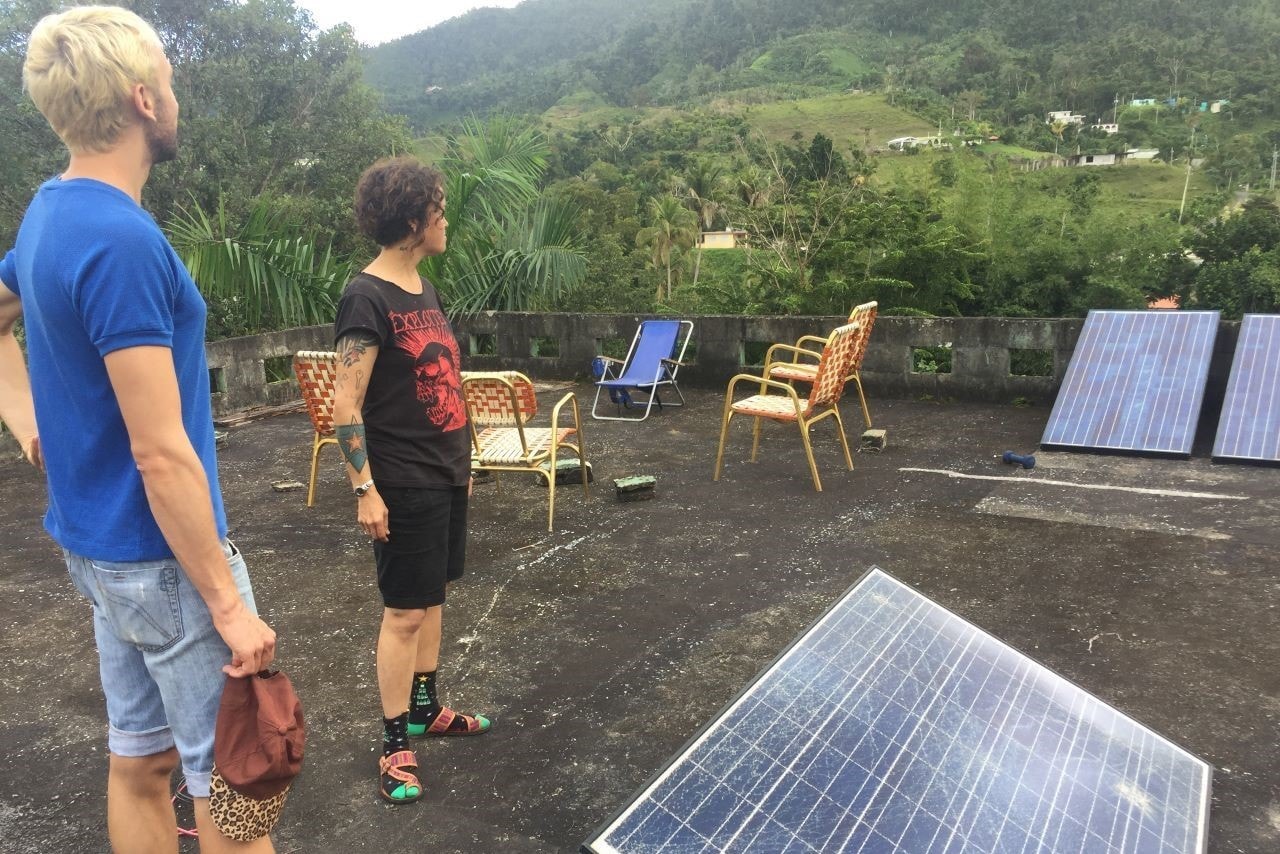
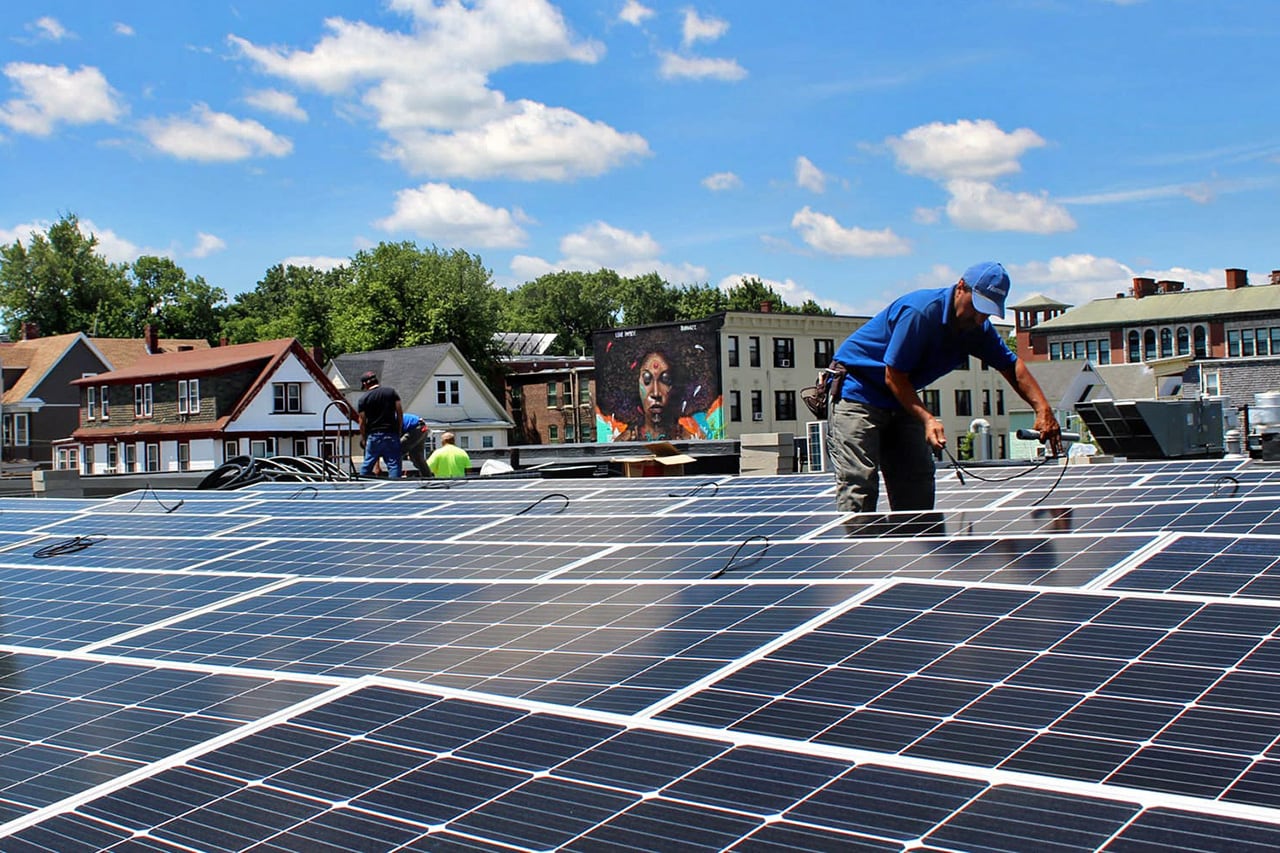
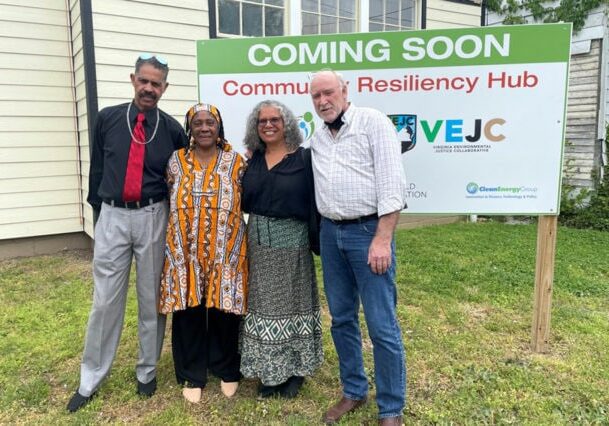
CEG collaborates with community-based organizations to implement clean, resilient power solutions, providing technical assistance to dozens of organizations each year to protect community members during power outages. CEG develops introductory guides and fact sheets to help address knowledge gaps and build local capacity.
Environmental Justice Advocates
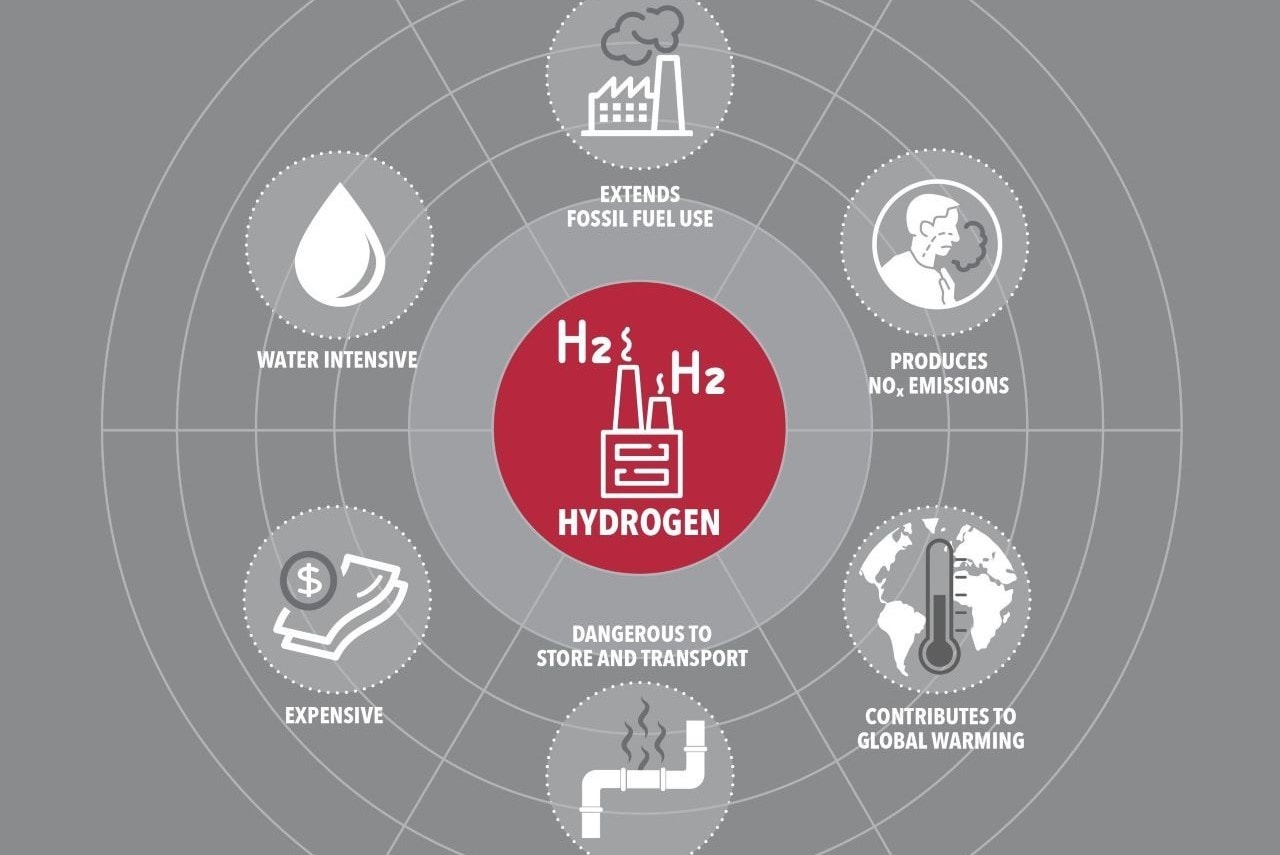
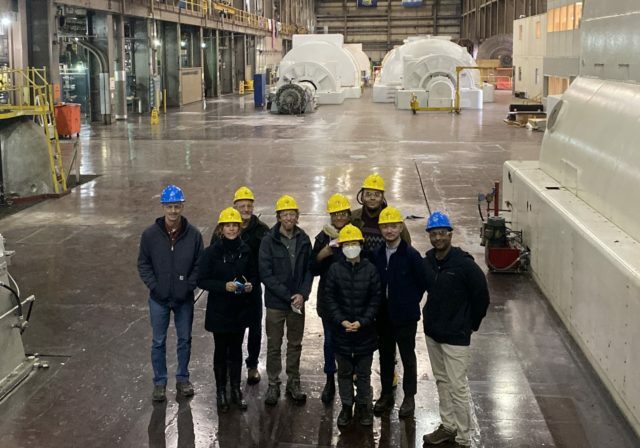
CEG partners with environmental justice advocates across the country to fight for clean alternatives to polluting fossil power plants and combat harmful false solutions. Partnerships include collaborative initiatives with the PEAK Coalition in New York City and the Clean Peak Coalition in Massachusetts.

State and Local Government Leaders
CEG works with state agencies to advance equitable clean energy policy, like climate resilient energy codes for affordable housing and innovative distributed energy storage programs. CEG assists states and municipalities in developing resilient power solutions for community-serving facilities, including community centers, fire stations, and affordable housing.
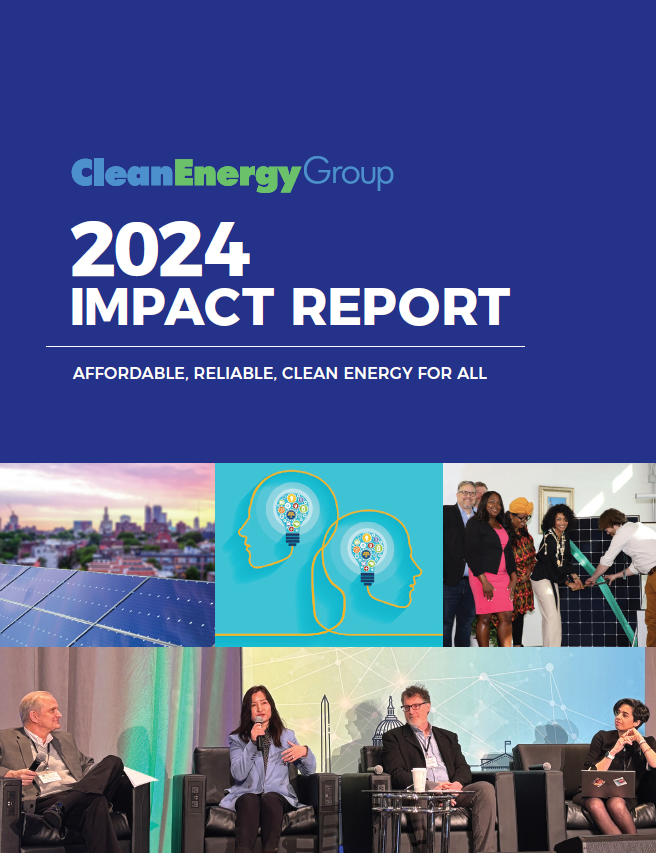



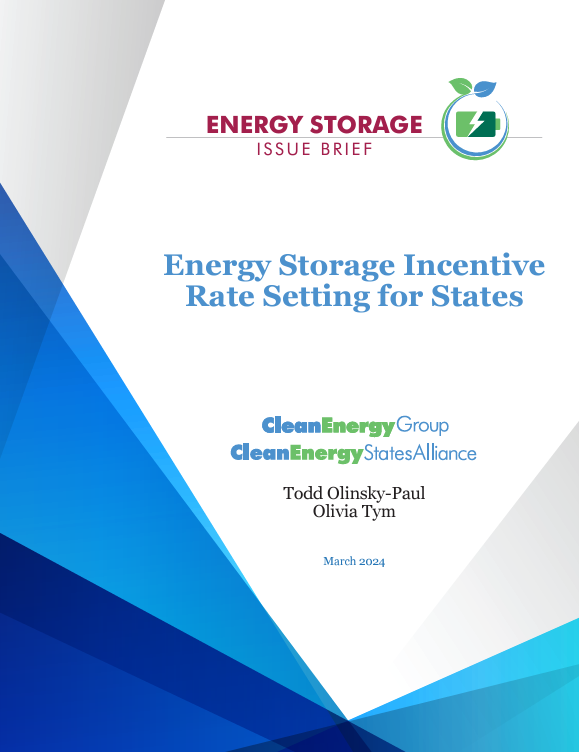
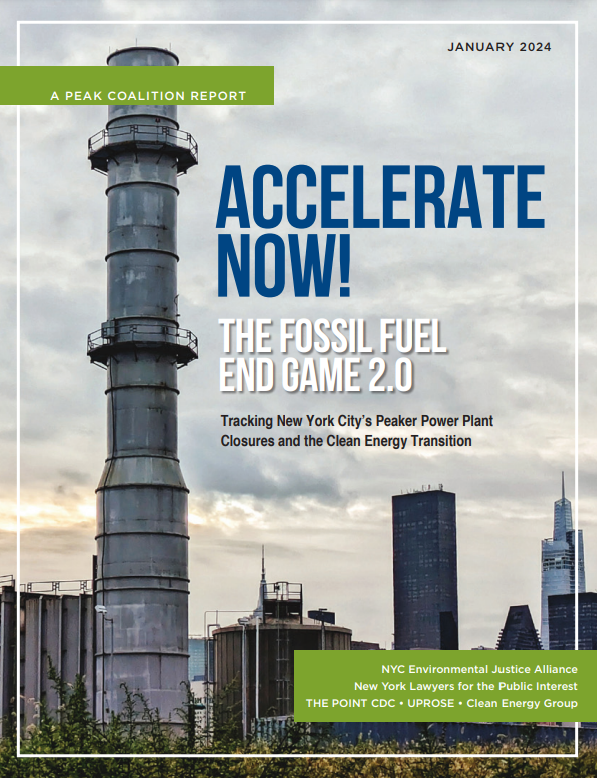
Blog
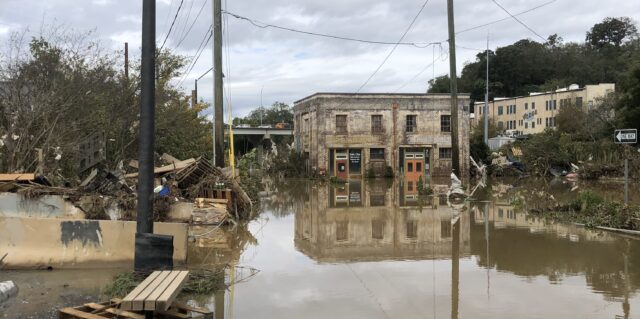
Resilient Power in the Wake of Hurricane Helene
One of the things I cherish most about Western North Carolina is its patchwork of small, close-knit communities nestled among mountains and valleys, all interconnected by an endless web of creeks and streams. Many of these communities are rural and secluded, a contrast to the region’s population center of Asheville, where I live. Although beautiful…
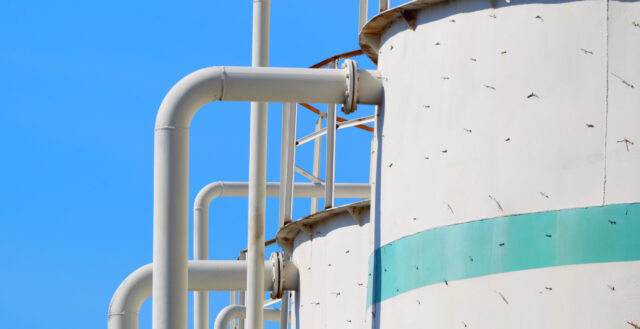
Hydrogen production’s unbreakable ties to fossil fuels in the US
For the past few years, hydrogen has been proposed as a method of reducing emissions in almost every sector, from energy production, to transportation, to manufacturing. This has led to a boom in proposed hydrogen production plants, mainly focused on so-called low carbon hydrogen. But hydrogen production isn’t new. This gas has long been used…
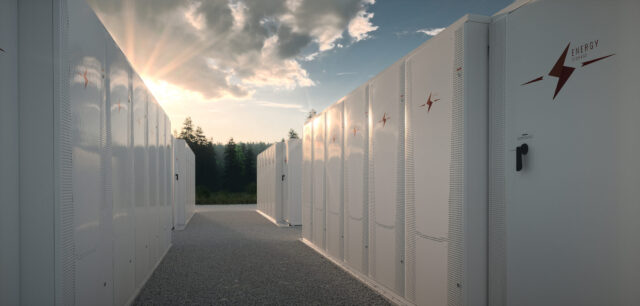
Long-Duration Energy Storage: What Is It, Why Do We Need It, and When Will It Get Here?
There has been a lot of excitement in the energy world around the promise of long-duration energy storage (LDES) and emerging technologies challenging the dominance of lithium-ion batteries. National and international consortiums have sprung up to advance the sector, LDES businesses have surpassed billion-dollar investment milestones, and leading states have established the first LDES procurement…

U.S. Utilities Can Blend Hydrogen in their Gas Supply Without Informing Customers
Across the country, gas utilities are proposing to inject hydrogen into residential and industrial gas pipelines, framing the move as a climate solution. But scientific analyses have found that hydrogen blending is an expensive and inefficient way to decarbonize buildings—and may actually increase health risks and greenhouse gas emissions. Studies show that mixing hydrogen with…
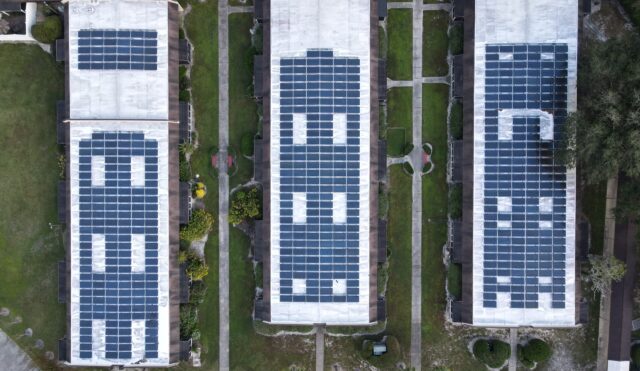
New Energy Code Sets a National Precedent for Climate Resilient Affordable Housing
As climate change intensifies and extreme weather events become more frequent, the need for resilient, energy-secure housing has never been more urgent. In response, a team led by Clean Energy Group has taken a groundbreaking step by developing a climate resilient energy code for multifamily affordable housing — a first-of-its-kind framework aimed at ensuring that…

The Cape Light Compact’s Equity-Centered Model for Solar+Storage+Electrification
Since 2019, Massachusetts utilities have offered battery performance payments to wealthier customers, but without any equity provisions to help low-income residents access the program. Now, an innovative new model combining solar PV and energy storage with electrification and traditional efficiency measures is providing new opportunities for some low- and moderate-income households to fully decarbonize their…

New Power Plant Data Show Another Year of Racial and Economic Inequities
Peaker power plants, which produce some of the most polluting and expensive electricity on the power grid, disproportionately impact neighborhoods inhabited by low-income people and people of color. These findings are based on 2022 demographic and emissions data recently released by the Environmental Protection Agency (EPA). Clean Energy Group (CEG) tracks and analyzes this data…

Regional Hydrogen Hubs Move Forward, Ignoring Community Pushback and Economic Uncertainty
In October of 2023, the U.S. Department of Energy (DOE) announced $7 billion in federal funding for seven regional Hydrogen Hubs. As of January 2025, five of the Hubs have been awarded an initial pot of money to initiate Phase 1 activities, which entail additional project planning and analysis as well as community and labor…

Reducing Peak Demand: Lessons from State Energy Storage Programs
States are increasingly adopting clean energy plans and climate goals, meaning our electric grids are more frequently fueled by variable renewables like solar PV and wind energy. While renewables are inexpensive and clean, they are not dispatchable without energy storage – in other words, they may not generate power at the right times to meet demand.…

A Decade of Technical Assistance: CEG Reaches $2 Million Milestone
This year, Clean Energy Group celebrates 10 years and $2 million in small grant support to build local energy resilience in historically underserved communities through the Technical Assistance Fund (TAF). Over 150 community-serving organizations, representing 375 facilities across 33 states and territories, have received the early, individualized technical and small grant assistance they need to…
In the News & Press Releases
Massachusetts test shows big savings from free heat pumps and solar
This Canary Media article quotes CEG’s Todd Olinsky-Paul on the Cape and Vineyard Electrification Offering, a home electrification and solar pilot program for lower-income Cape Cod and Martha’s Vineyard residents.
Realizing Resilience: Toward a Fairer, Greener Future
This Island Press report quotes CEG President and Executive Director Seth Mullendore on energy resilience in underserved communities.
Our Partners
Partnership is a hallmark of our work and critical to our success. Clean Energy Group collaborates with community-based organizations, environmental justice organizations, nonprofit advocates, state and federal agencies, national laboratories, and other clean energy experts across the country.