




Todd Olinsky-Paul
DC Court Upholds Major FERC Storage Order, Should Lead to Massive New Battery Markets Across Country
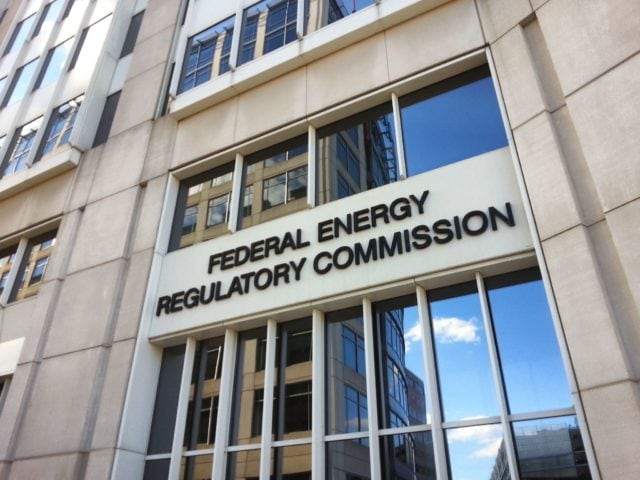
This morning, the US Court of Appeals for the DC Circuit upheld a major federal rule (FERC Order 841) that should lead to significantly expanded battery storage use in wholesale markets across America.

As we look forward to an uncertain future with COVID-19 and energy security, it is important to develop new solutions that will put resilient solar and storage within reach for everyone, including those most vulnerable to power outages and the health impacts that could result from them.
FERC voted this week to uphold its landmark Order 841, which states that the nation’s electric grid operators (RTOs and ISOs) must allow energy storage resources fair and equal access to provide services in regional wholesale energy markets.

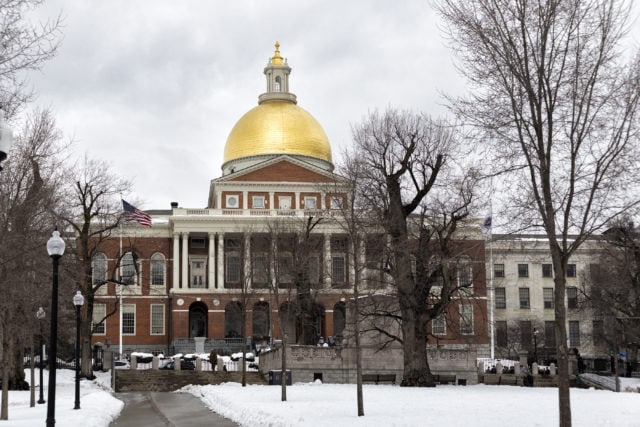
When Massachusetts took the nation-leading step of integrating energy storage into its energy efficiency plan this year, it didn’t just add a new technology. It consummated a decade-long, slow-motion embrace of an important new form of efficiency.
Energy storage has been the coming thing for years. Now, it’s arrived – as an efficiency measure.

Massachusetts’ Advancing Commonwealth Energy Storage (ACES) grant program was created to jump-start the energy storage industry by piloting innovative, broadly-replicable demonstration projects with multiple value streams, thereby priming Massachusetts for increased commercialization and deployment.
Last month’s FERC order 841 was hailed by some as a watershed moment in energy storage history, but the devil’s in the implementation.

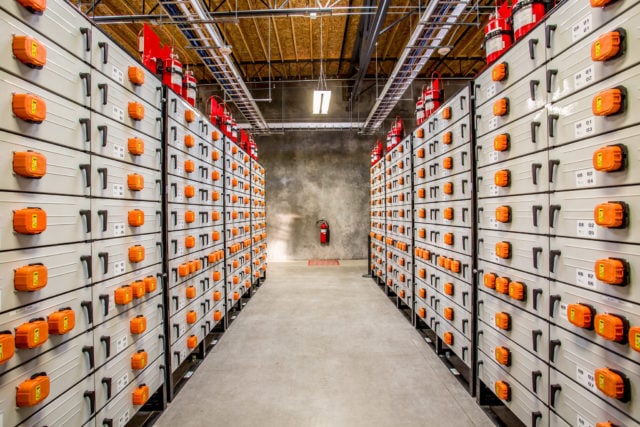
Last week, the Baker-Polito Administration awarded $20 million in grants to support 26 energy storage projects in 25 Massachusetts communities. This grant program puts the state clearly in the storage leadership role in the East.

Sterling, Massachusetts is demoing grid 2.0 with a multi-million-dollar investment that will pay for itself in just two years.
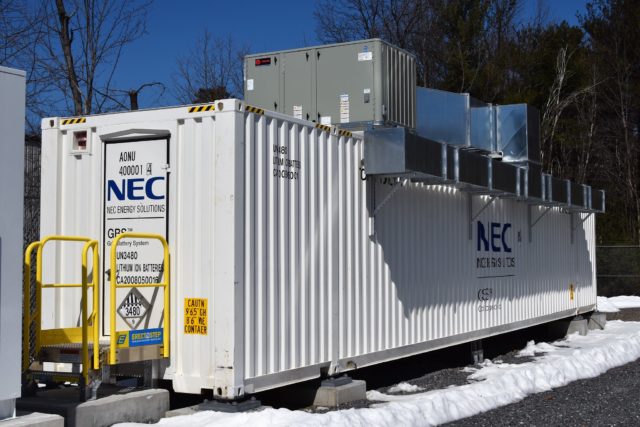
The little town of Sterling, MA is getting a lot of attention these days. Not only has the Sterling Municipal Light Department won awards for its new solar+storage microgrid, the town is getting visitors from Germany, Japan, Norway and many other countries.