




Abbe Ramanan

The Supreme Court decision on Thursday once again bought into the myth of the fossil fuel-based job at the expense of the public health and environmental safety of our most vulnerable communities and is a reminder that the fight for climate justice is far from over.
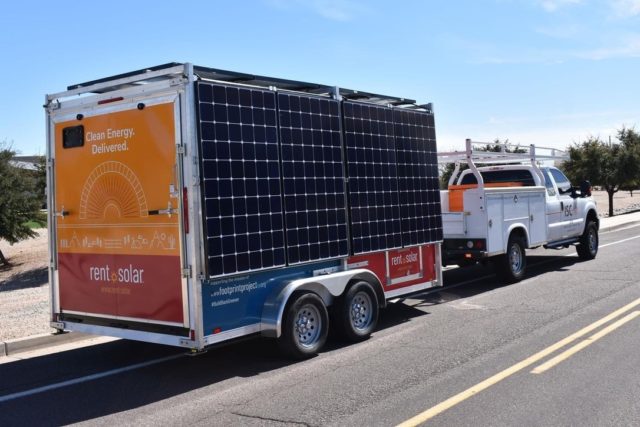
In recent years, emergency responders have found both stationary solar+storage – systems installed in a particular facility – and mobile units – solar+storage systems that can be transported to different communities on a trailer – valuable in the event of a disaster and corresponding power outage.

The New York State Department of Environmental Conservation punched a hole in the fossil fuel industry’s hydrogen hype bubble when they denied a Title V Air Permit to NRG Energy’s Astoria Gas Turbine Power Plant, citing the project’s non-compliance with New York’s Climate Leadership and Community Protection Act.
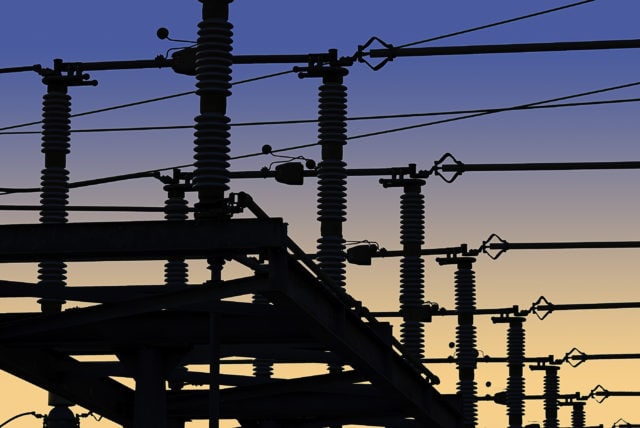
How can we protect vulnerable people when the power goes out? Getting it right will be a key energy equity test for the Biden administration’s infrastructure plan.
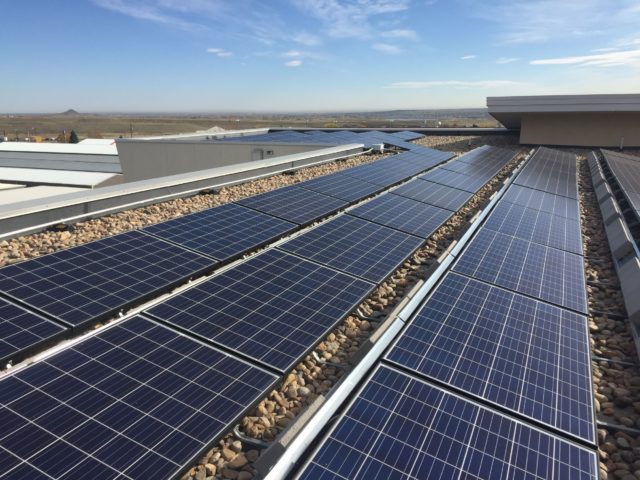
To gain more insight into the barriers of implementing solar+storage in under-served communities, Clean Energy Group conducted a survey of municipalities, community organizations, affordable housing developers, and technical service providers working in low-income communities.
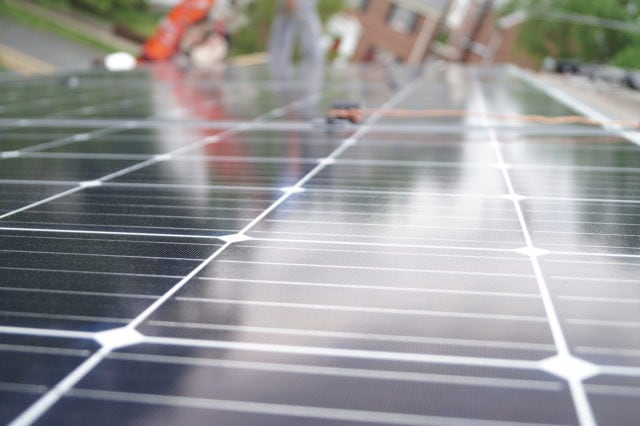
Clean Energy Group recently surveyed affordable housing stakeholders to assess what’s holding solar+storage projects back.
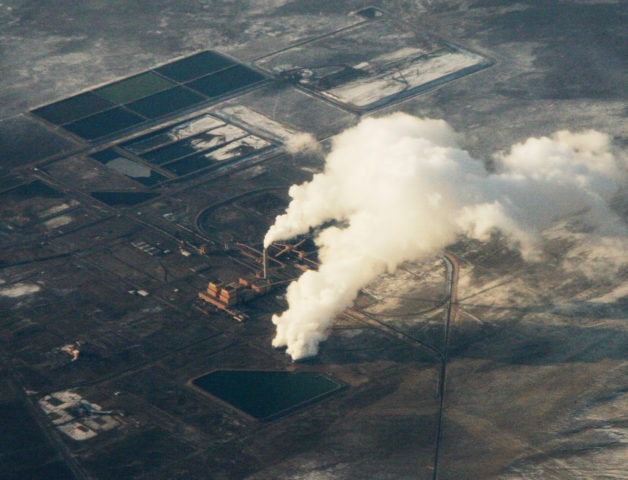
Clean Energy Group raises concerns about harmful NOx emissions from new industry plans to burn hydrogen in fossil fuel power plants; calls for pause in permitting proposals until independent public health investigations are conducted — particularly to study potentially dangerous air pollution impacts in environmental justice communities.
- « Previous
- 1
- 2
- 3
- 4